
Matching funding calls to faculty, made easier
Ashley Sumner, a Contract and Grant Specialist in the Dean of Engineering's office, has trained a Claude skill to match funding calls to the right faculty researchers.
By AI Hub Team
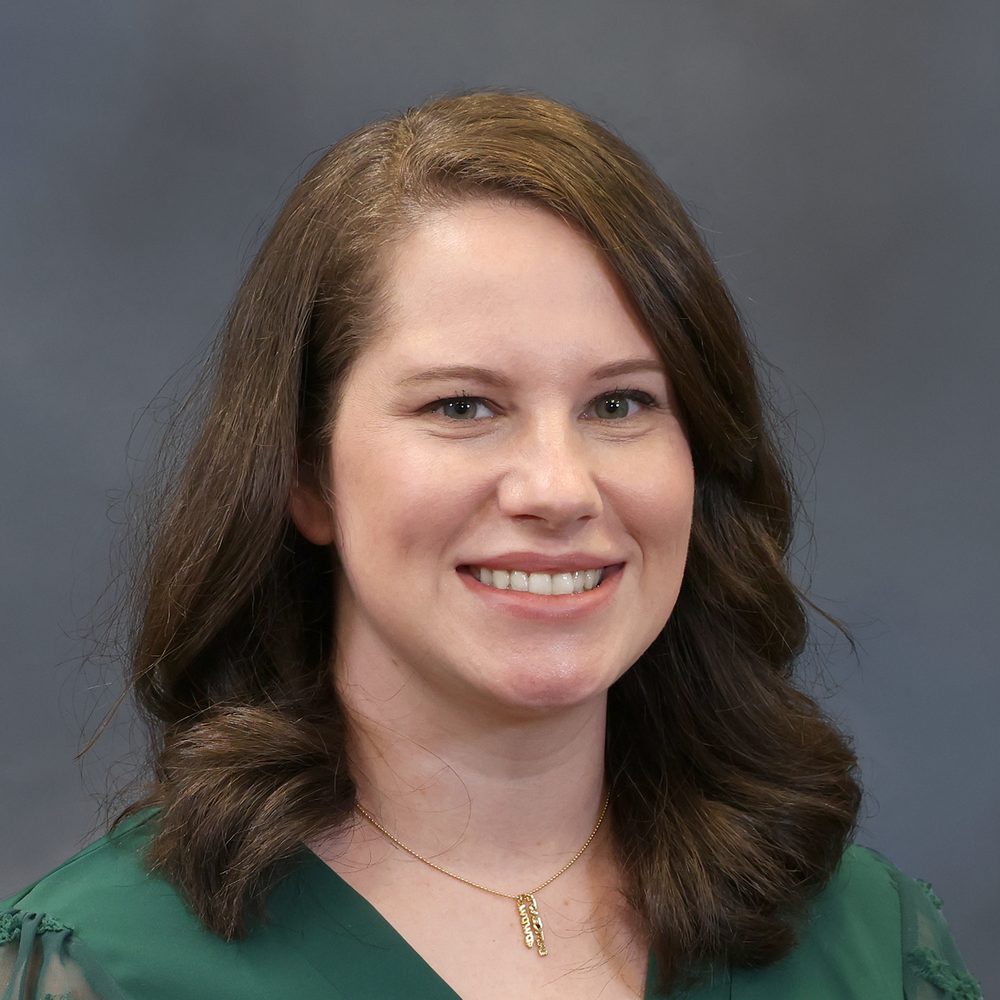
When a colleague left her office a couple of years ago, Ashley Sumner's role expanded. She is a Contract and Grant Specialist in the Dean of Engineering office, and her added responsibilities include supporting larger interdisciplinary opportunities and investigating research funding opportunities for faculty in the James Worth Bagley College of Engineering. She notes that the research topics are often highly technical and unfamiliar to someone without an engineering background.
To manage this, Ashley built a spreadsheet with faculty information gathered from faculty profiles, including links to sites like Google Scholar for more detail on each researcher's focus. She uploaded this spreadsheet to Claude and instructed it to simplify the research focus, so the technical content would be easier to understand and compare. She had Claude run several iterative rounds so it could become more familiar with the detail in each research profile and eventually be able to offer more specific suggestions. As Claude developed this skill, it grouped the research into different clusters.
Building the spreadsheet and working with Claude to develop a usable skill took time. Ashley is excited about the result: "When the ORD TOPS or Fuller Report is sent out, I can give the skill a funding opportunity link and ask if the opportunity is an exact match for any of the college's researchers." The Claude skill includes an email template. Researchers whose work is a potential match receive an email listing the keywords from the funding proposal. The message also includes direct phrasing from the solicitation further clarifying the expertise that the funding agency is requesting.
This saves faculty time. They can review the email and decide if this opportunity is one worth exploring. Ashley enthusiastically shares that faculty members respond every time. From her broader research perspective, she can suggest research collaborations among faculty with overlapping research interests. She tracks awarded proposals and can show, in concrete numbers, the value of the Claude skill.
The bigger difference this AI capability makes, though, is in the level of faculty support it provides. "The process feels like a tailored experience for faculty," she explains. "They sense there is someone who is trying to understand their research and is looking out for them." When she presented this process to the college's directors, she shared her belief that AI is meant to support people's work, not replace it. This tool does not replace her, but she notes that it gives her landmarks and key words to help her understand technical subjects.
Ashley has her share of frustration with Claude. Applying what she is learning in the Master of Applied Data Science program, she will ask Claude for the mathematical equation behind a questionable response, which gives her another way to check its work. She has also learned that more precise prompting produces better outcomes, and she will sometimes ask Claude for a confidence rating when she has concerns.
Ashley's advice to other colleagues considering AI for their workflow is simple: start now. Using Claude in her expanded role has helped her handle additional job responsibilities over the last two years while effectively providing a deeper level of service to faculty.