
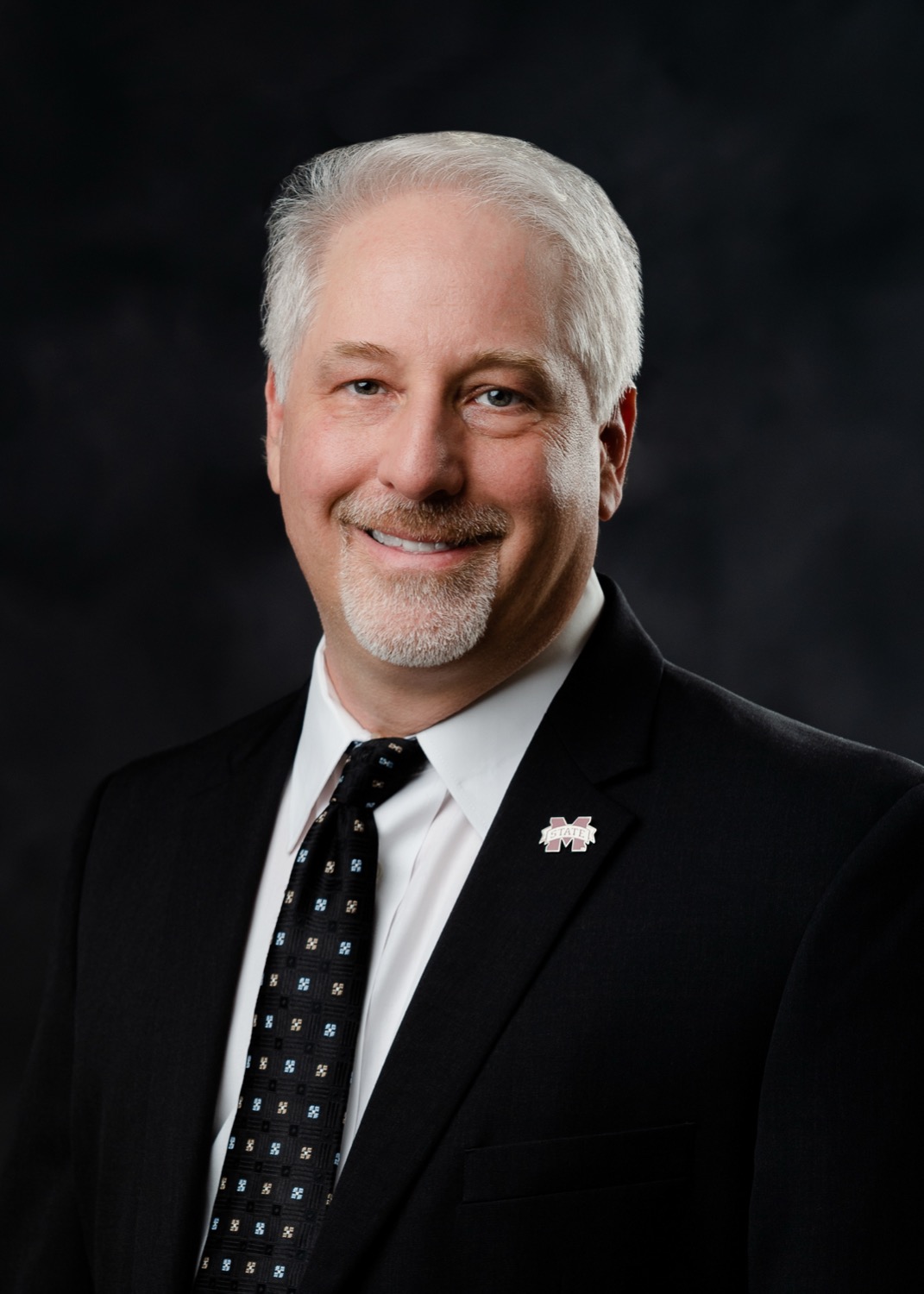
John Ball is a professor in Electrical and Computer Engineering at CAVS. His work involves building and testing systems that help vehicles navigate on their own, which means, among other things, a lot of simulation.
One task he described at a recent AI Ambassador meeting: building a lane-following simulation using a model-predictive controller. The kind of algorithm that tells a vehicle where it is relative to a lane and how to stay in it. Writing the code, running initial tests, debugging, iterating usually would have taken him 2-3 weeks of periodic work.
With AI assistance to generate the initial code and work through the mathematical structure, Ball finished the work in around 3 days.
That’s not a marginal gain. This signals whole new and much faster cycles from hypothesis to result with less time lost to the mechanics of implementation.
But the speed came with a caveat Ball is careful to name. The AI did well, and he had to work with it across those three days to identify and correct bugs in what it produced. “It’s not perfect, nor is it to be totally trusted,” he said. The theme that matters is the compression from requirements to implemented code, not a hands-off generation. The expert stayed in the loop the whole time.
What AI handled was the code generation and mathematical scaffolding: the work that is time-consuming without requiring deep knowledge of autonomous vehicles. Ball’s expertise shaped every decision about what to build, what to verify, and what to throw out. The AI moved the implementation faster. That freed Ball’s time for the parts that require knowing autonomous vehicles.
It’s also worth being clear about what this was: a class simulation. Running the same kind of controller on a real vehicle is a much longer chain. Model-in-the-loop testing, hardware-in-the-loop testing, rigorous code review, deployment and calibration on the vehicle, and ongoing model refinement. AI can compress the front end of that chain. It does not collapse the rest of it.
The useful question about AI and research: which parts of the work can it assist with, and what does that free an expert to do instead? The domain judgment, and the verification, still require someone who spent years learning the domain.
MSU’s AI Ambassador community hears versions of this story regularly. A literature review compressed from six weeks to an afternoon. A rubric redesign done in twenty minutes. The pattern will hold across many disciplines. AI can handle the mechanics so experts get back to the work that requires expertise. Creativity, science and discovery happen faster, when an expert is steering.
Ball’s simulation is a clean example. The autonomous vehicle still needs an engineer who understands autonomous vehicles. AI just got that engineer more time to spend with students.